
Posted
Auraria Campus to Begin Use of Goosinator Equipment
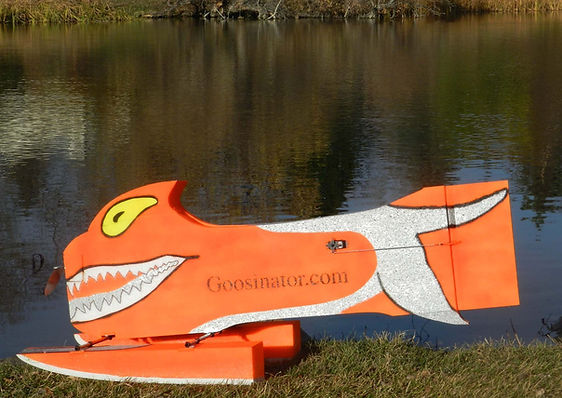
Starting Thursday, Oct. 8, the Auraria Campus will begin use of a Goosinator, a remote-controlled predator drone designed to humanely scare geese away from campus spaces without harming them.
Currently, the Auraria Campus experiences ongoing challenges from large populations of Canada geese, particularly in high-traffic areas such as the Tivoli Quad and Administration Building. Goose droppings can create maintenance issues, impact outdoor events, contribute to stormwater compliance concerns, and can introduce harmful bacteria into campus drainage systems that ultimately flow downstream to primary water sources.
Due to these hazards, Auraria Campus is launching the Goosinator to begin to cut down on the amount of geese that currently spend large amounts of time in high traffic areas on campus.
The Goosinator is a humane wildlife-management tool designed to encourage geese to relocate, not to harm them. It cannot bite, injure, or physically attack geese. The Goosinator uses humane hazing techniques widely used by campuses, parks, and other organizations to encourage geese to move elsewhere.
Not only will the goose management support a cleaner and healthier campus environment, but the program is consistent with Auraria’s broader commitment to sustainability, water conservation, and responsible campus stewardship.
Individuals on campus should be aware that they may see this device operating on campus in common outdoor areas, and are encouraged to only observe and not interfere with the work it is doing. We appreciate your understanding as we work to maintain our campus’ vibrant environment.
To learn more about the Goosinator, please visit goosinatorco.com. For any questions or concerns regarding its use on campus, please contact Auraria’s Environmental Health and Safety (EHS) Manager Julie Maeuser at Julie.Maeuser@AHEC.edu.
Frequently Asked Questions
What is the Goosinator?
The Goosinator is a remote-controlled wildlife management tool designed to humanely encourage geese to relocate from areas where they create health, safety, maintenance, or environmental concerns. Its appearance and movement are modeled after a predator, which naturally encourages geese to avoid the area. The design is based on research about predator characteristics that geese find threatening, including large eyes, pointed teeth, bright colors, and predator-like movement.
Why is Auraria Campus using a Goosinator?
The Auraria Campus experiences ongoing challenges from large populations of geese, particularly around the Tivoli Quad, the Administration Building, and other heavily used outdoor spaces. Geese can create sanitation issues, damage newly planted grass, interfere with outdoor events, and contribute waste that enters campus stormwater systems. Goose management helps Auraria maintain a clean, safe, and welcoming campus environment while meeting environmental responsibilities.
Is the Goosinator safe for geese?
Yes. The purpose of the Goosinator is to encourage geese to move to a different location, not to harm them. The Goosinator does not bite, attack, trap, or injure geese. It works by mimicking the appearance and behavior of a predator so geese choose to leave an area on their own. Auraria Campus’ goal is humane wildlife management and environmental stewardship.
Why not just leave the geese alone?
Auraria Campus values wildlife and works to maintain a sustainable campus environment. However, large concentrations of geese can create health and environmental concerns. Goose droppings may contribute harmful bacteria to stormwater runoff, which ultimately reaches waterways downstream. Managing goose populations helps protect campus landscapes, stormwater systems, outdoor gathering spaces, and regional water quality.
Are geese being removed from campus?
No. The Goosinator does not capture or remove geese. It simply encourages them to move away from specific areas of campus where they create problems. Geese remain part of the campus ecosystem, but the goal is to reduce their presence in high-traffic locations.
Why is goose management important for water quality?
Auraria Campus operates under state and municipal stormwater requirements. Goose droppings can enter storm drains and waterways through runoff. Managing geese helps reduce contamination entering the campus stormwater system and supports broader efforts to protect downstream water resources, including areas connected to Cherry Creek, the South Platte River, and Barr Lake.
Is this part of AHEC’s sustainability efforts?
Yes. Auraria Campus’ approach balances environmental stewardship, wildlife management, water conservation, and campus operations. The campus is already adapting landscaping practices because of drought conditions and water-use restrictions. Managing geese is one component of maintaining healthy landscapes and protecting local waterways while creating a positive campus experience.
How does the Goosinator work?
The Goosinator is remotely operated by trained staff. It uses predator-like movements and appearance to encourage geese to leave an area. Geese naturally watch for predators, and the Goosinator is designed to trigger that instinct without harming the birds. Both movement and appearance help make the device effective.
When will the Goosinator be used?
The Goosinator will primarily be used in areas where geese are causing recurring issues, such as heavily used lawns, pedestrian areas, and event spaces. Staff may use it more frequently during the initial introduction period and then as needed to discourage geese from returning.
Have other organizations used Goosinators?
Yes. According to Auraria Campus’ Environmental Health and Life Safety team, organizations including CU Boulder, the University of Denver, and Colorado Parks and Recreation have used Goosinators as part of their wildlife management efforts.
What is the Goosinator made of?
The Goosinator is manufactured from durable foam with specialized additives and is CNC-machined into its final shape. According to the manufacturer, this construction allows it to remain lightweight while operating across a variety of surfaces.
How big is it?
According to the manufacturer, the Goosinator measures approximately:
- 17 inches tall
- 24 inches wide
- 40 inches long
It weighs less than five pounds with the battery installed.
How is it powered?
The Goosinator uses an electric motor powered by a lithium polymer battery. Each battery provides approximately 15 minutes of run time, and batteries can generally be recharged in two hours or less.
Can it operate on different surfaces?
Yes. The manufacturer designed the Goosinator to operate on manicured grass and also equipped it with floats that allow operation across surfaces such as water, ice, and snow. Optional wheels can be added for taller grass.
Who will operate the Goosinator?
The Goosinator will be operated by trained Auraria Campus staff.
What should I do if I see the Goosinator?
Enjoy the show! The Goosinator is part of Auraria Campus’ effort to keep campus clean, safe, sustainable, and welcoming. If you see it in action, please give operators space to work and allow the geese room to move away naturally.